Why it’s right to say ‘Globalise the Intifada’
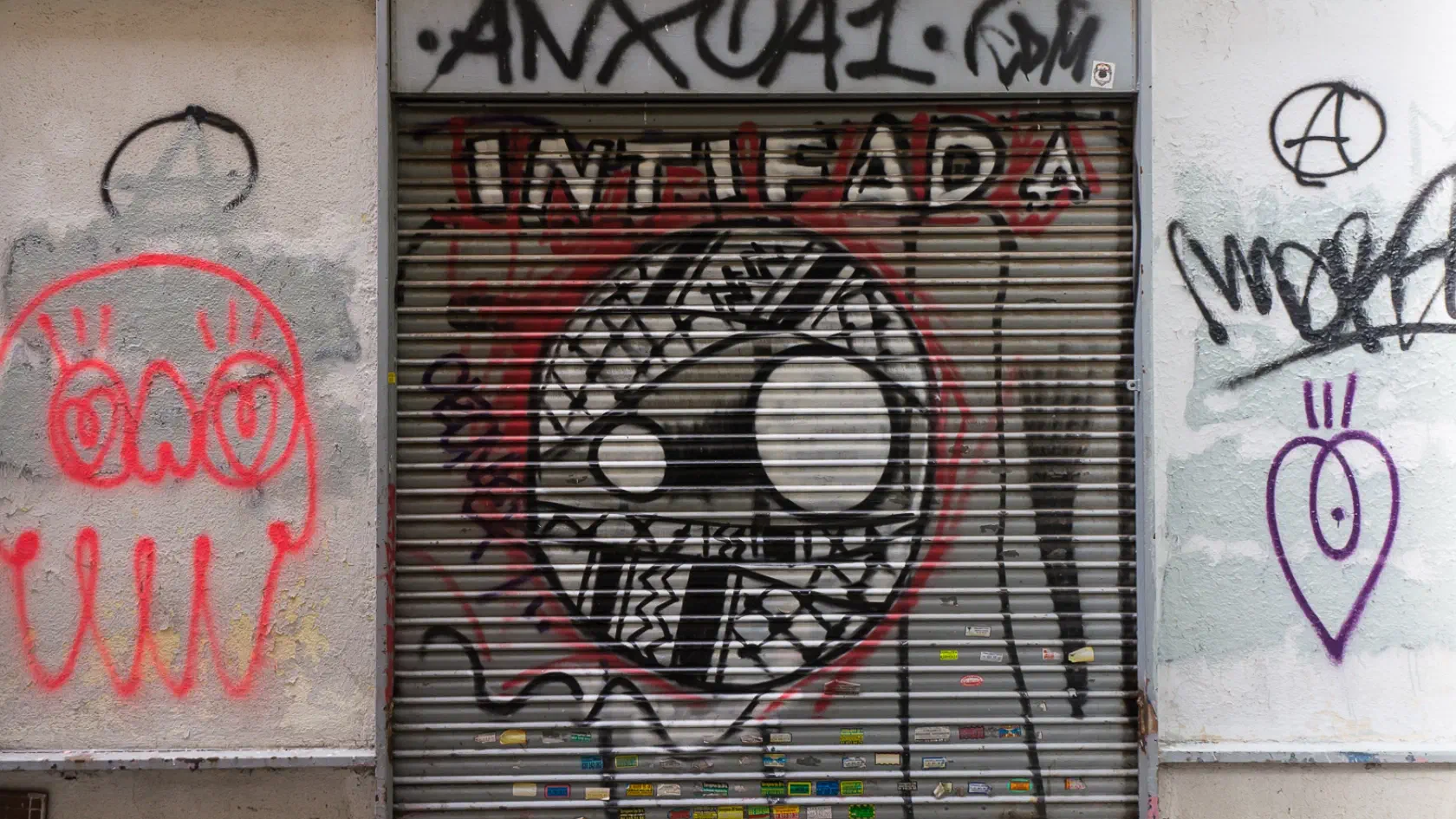
What does ‘Intifada’ mean?
Intifada is an Arabic word meaning ‘shaking off’ or ‘uprising.’ The call for an intifada refers to the struggle to free Palestine from Israeli apartheid and military occupation and points to the long history of Palestinian struggle for national liberation. This is not antisemitic or a call for violence against Jewish people. It is a call to end the violence of Israel’s occupation, genocide, and apartheid.
Why does Chris Minns want to ban the slogan?
NSW Premier Chris Minns claims it is “hateful, violent rhetoric” and wants to pass laws to ban it. This is part of a broader attempt to intimidate and vilify supporters of Palestine and silence criticism of Israel.
Government and media figures have falsely claimed that ‘Globalise the Intifada’ has been used to justify violence against Jewish people, going so far as to link it to the Bondi terrorist attack. This is entirely fabricated. The slogan had nothing to do with the Bondi attack.
In Queensland, more than 20 people have already been arrested under laws banning pro-Palestine slogans such as ‘From the River to the Sea’ and ‘Globalise the Intifada.’ This has not deterred protesters who continue to rightly defy the ban.
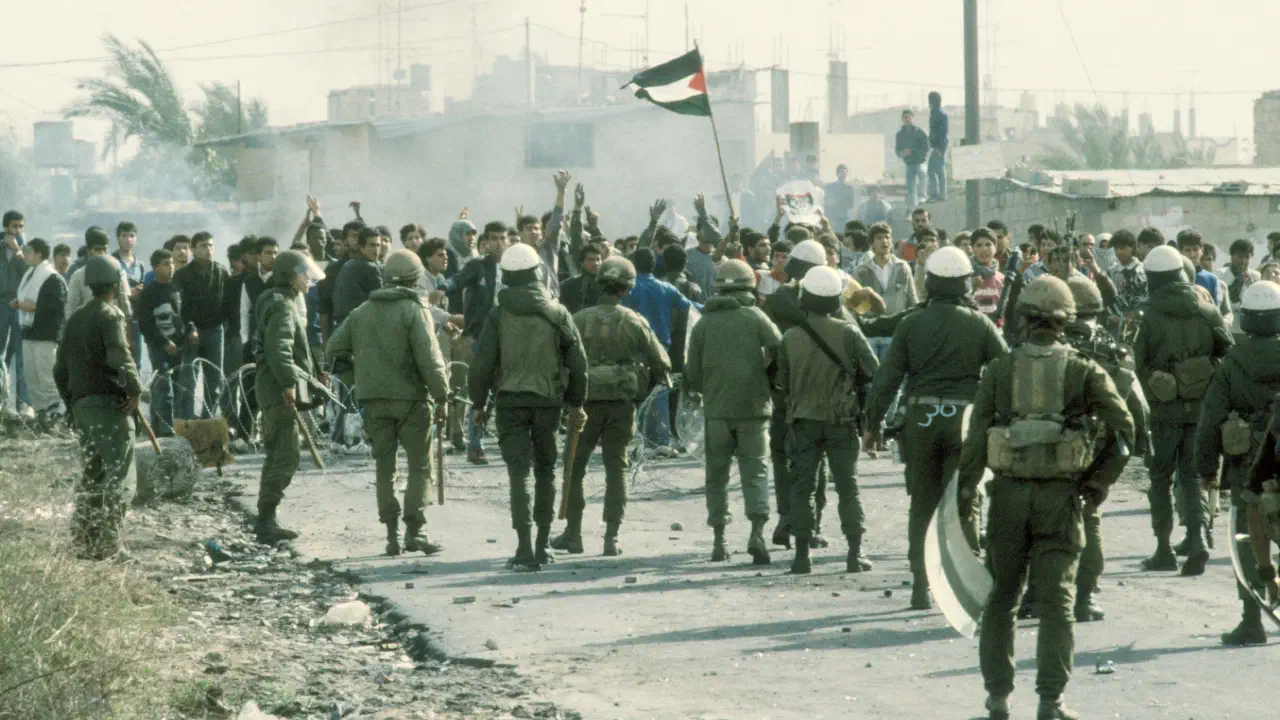
What were the Intifadas?
The first major Palestinian uprising can be traced to 1936, when Palestinians responded to British colonialism and Zionist settlement with a general strike and widespread boycotts.
However, Intifada usually refers to two mass uprisings in Jerusalem, Gaza, and the West Bank, where Palestinians resisted Israeli occupation. Both were supported by a significant majority of the Palestinian population. The main features of the intifadas were mass popular acts of defiance.
The First Intifada (1987–1993)
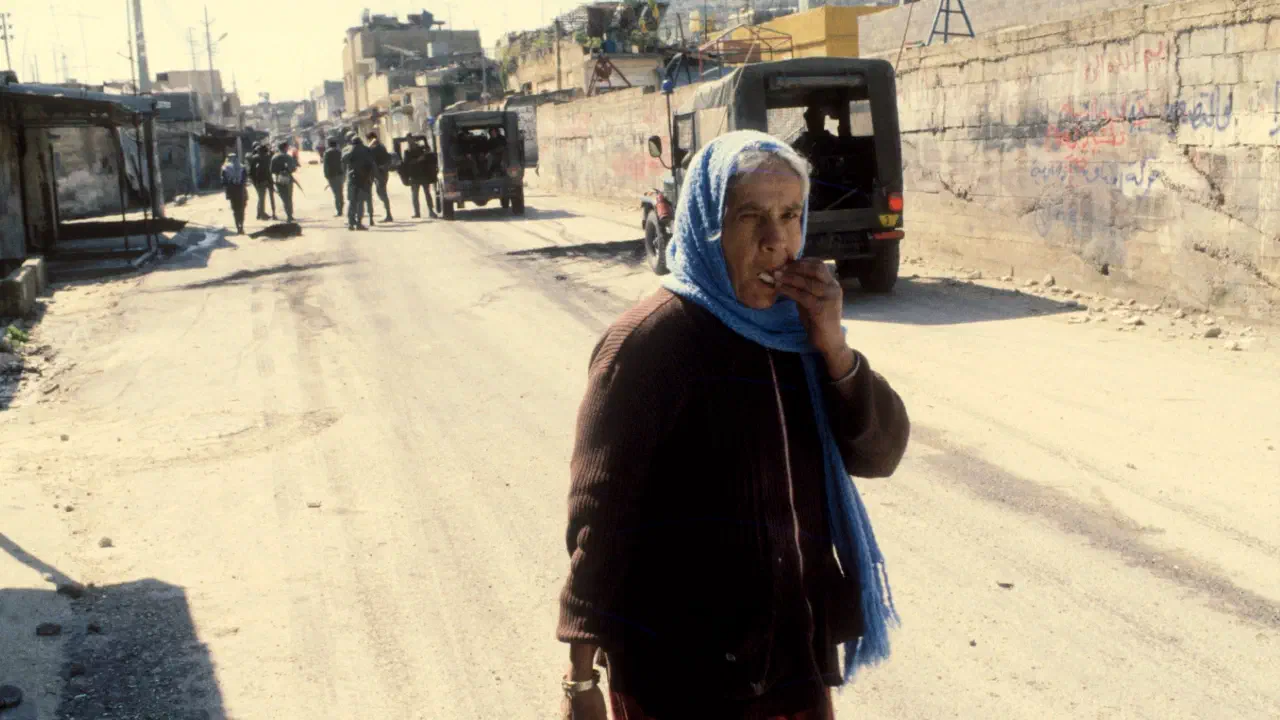
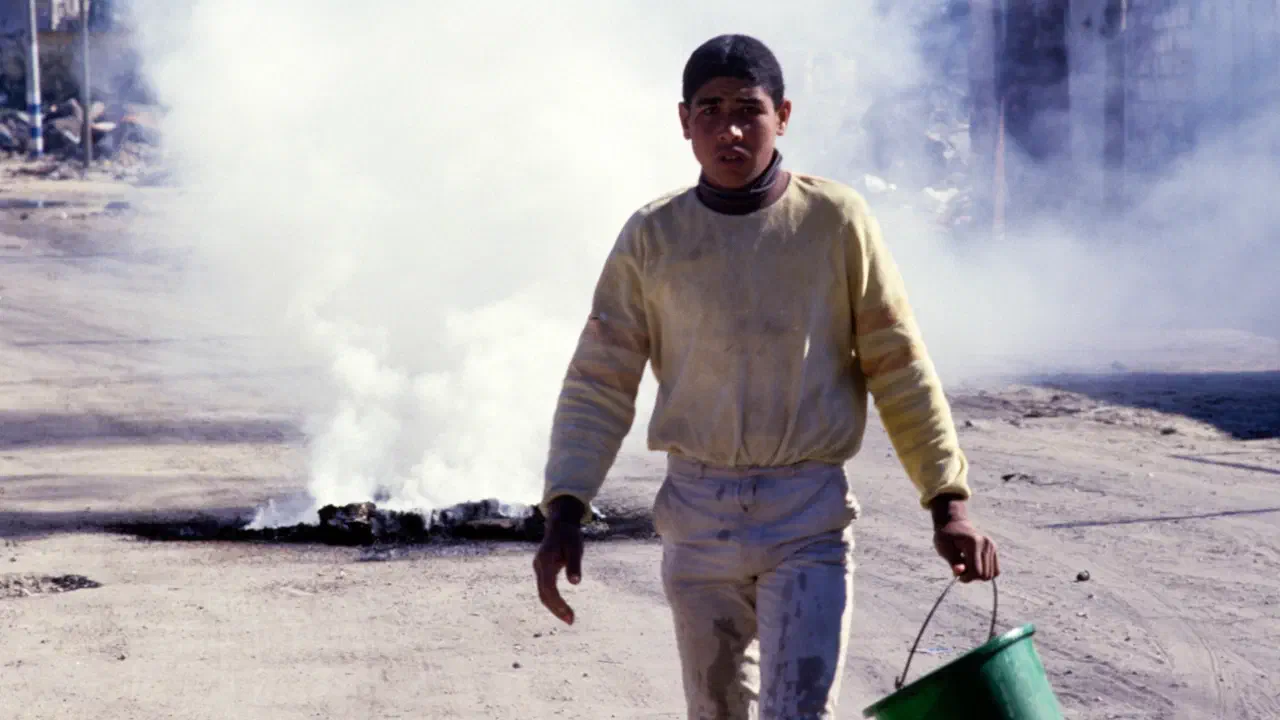
The First Intifada began in December 1987, when decades of anger at the conditions of Israeli apartheid and occupation—unemployment, overcrowding, poverty, repression, and theft of land—erupted into a mass democratic resistance movement.
Tens of thousands of Palestinians turned to new forms of resistance: mass protests, strikes, and boycotts. This was a mass movement involving grassroots committees in virtually every village and town in the Occupied Territories.
The Second Intifada (2000–2005)
The Second Intifada began in September 2000 after the collapse of the ‘peace process’ and the expansion of illegal Zionist settlements. It began with large-scale protests that spread from Jerusalem to Gaza and the West Bank. The protests were met with brutal Israeli repression, including rubber bullets and live ammunition. More than 100 Palestinians were killed in the first few weeks.
The scale of Israeli military violence increasingly prevented popular demonstrations and encouraged a shift into armed attacks. But it was Israel that was responsible for the violence—unleashing death on a far wider scale by killing at least 4973 Palestinians, almost five times the number of Israelis killed.
What does it mean to ‘Globalise the Intifada’?
The slogan is a call for a global movement of solidarity with Palestine. It is a call to target governments worldwide that are complicit in the Gaza genocide and Israel’s occupation.
This includes governments such as:
- The United States, which supplies weapons and bombs.
- Australia, which supplies F‑35 fighter jet parts.
- Egypt, which suppresses pro-Palestine struggles in Cairo while collaborating with Israel.
Why it’s right to say ‘Globalise the Intifada’
Some groups in the Palestine solidarity movement, such as the Palestine Action Group in Sydney, have been unwilling to defend the phrase, because they have been reluctant to defy Minns’ moves to ban protests and say the slogan is not widely used in Sydney. But the chant ‘From Gadigal to Gaza, Globalise the Intifada’ is used on protests—including prominently by former Australian of the Year Grace Tame at the protest against Israeli President Isaac Herzog. Other chants calling for ‘Intifada’ and ‘revolution’ have also been common.
Failing to defend the slogan is a concession to Minns, the Queensland government and the Murdoch press who say there is a problem with it. Significantly, refusing to defend ‘Globalise the Intifada’ capitulates to the government and Zionist campaign to undermine the movement to free Palestine.
We cannot allow Chris Minns and the Murdoch media (or the City of Sydney) to dictate the limits of free speech, define what protest slogans are acceptable, or decide what public meetings can be held. If a ban succeeds, Chris Minns will be encouraged to go further and ban other protest slogans, as the Queensland government already has in banning ‘From the River to the Sea.’
It is not antisemitic to criticise Israel’s war crimes, its genocide in Gaza, or its apartheid policies in Israel, Gaza and the West Bank. Israel continues to kill Palestinian and Lebanese civilians every week, committing war crimes, and blocking adequate food and medical supplies in breach of the ceasefire agreement in Gaza. We have to turn the outrage at Israel, the US and our own governments’ complicity in the genocide into action.
This is why we must Globalise the Intifada—by building a mass movement demanding justice for Palestine and an end to the Australian government’s complicity in Israel’s crimes. Our government still refuses to impose sanctions; it continues to allow weapons-related exports and intelligence sharing through Pine Gap, and it even welcomed Israel’s President in February. Just this week, three Australian citizens aboard the Global Sumud Flotilla were kidnapped in international waters by the Israel Defense Forces, yet our government remains silent.
Dockworkers across Europe have coordinated strike action to shut down ports in solidarity with Palestine and against their own governments’ war budgets. This is the kind of international action needed to stop the genocide of Palestinians and end Israel’s occupation. Israel relies on Western governments’ support. We must cut the links between Australia and Israel’s Zionist regime.
To do that, we need to defy the Minns government’s laws; rally, march, and build support for workers here to defy anti-strike laws and organise the industrial action capable of stopping the genocide.